
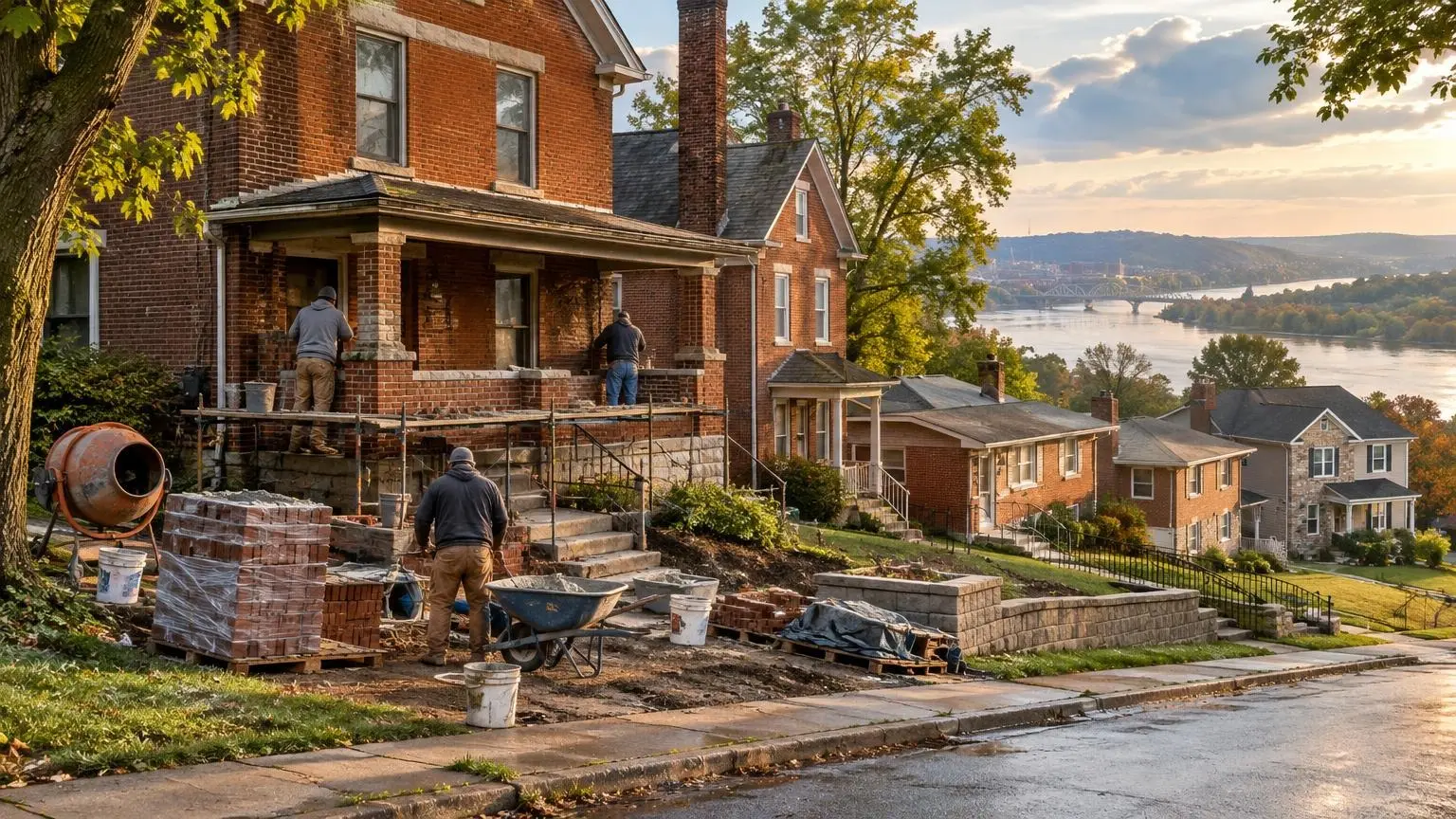
Repointing, brick replacement & cracks
Brick Repair & Tuckpointing in Louisville, KY
Mortar out to the right depth, new mortar that suits the brick, and damaged units replaced to match.
- Free on-site look before any price
- Written quote broken out by task
- Mortar chosen to suit the age of your brick
When the Mortar Goes, the Wall Follows
Brick repair and tuckpointing is the most common masonry work on Louisville houses. Mortar is the sacrificial part of a brick wall: it is supposed to wear out before the brick does. After 20 or 30 years of rain, the joints get thin, sandy or hollow, and water starts getting into the wall. Catching it at that stage means repointing. Waiting means replacing bricks.
Signs it is time
- Mortar you can scrape out with a key or that falls out on its own
- Joints recessed more than about a quarter inch behind the brick face
- Bricks with faces that have flaked or popped off (spalling)
- Stair-step cracks through the mortar, often from window corners
- White, powdery deposits (efflorescence), a sign of water moving through the wall
- Loose bricks at the top of a wall, a parapet or a chimney
- Damp walls or peeling paint inside, behind the brick
Tuckpointing and repointing, explained
The words get used interchangeably. Repointing means removing damaged mortar and replacing it. Tuckpointing, strictly, adds a thin contrasting line of putty along the joint for a crisp look, though most people use it to mean repointing. Either way the work is the same at its core: remove old mortar to a sound depth, pack new mortar in layers, and tool the joint to the right shape.
The Louisville Landmarks masonry guidelines give a useful rule for depth: cut out old mortar to about two and a half times the width of the joint. A 3/8-inch joint gets raked to roughly an inch. Shallower than that and the new mortar falls out in a few years.
The mortar matters more than anything
Brick in pre-war Louisville houses is often softer than modern brick, and it was laid in lime-rich mortar. If that wall is repointed with a hard, cement-heavy mix, the joint becomes stronger than the brick. When the wall moves or freezes, the brick cracks instead of the mortar. The city's guidelines say new mortar should be no harder than the original, and that a mix of 1 part cement, 1 part lime and 6 parts sand is often acceptable when a lab analysis of the old mortar is not practical.
For older homes we also:
- Remove old mortar with hand tools or careful cuts, not wide grinders that chip brick edges
- Match the color, sand texture and joint profile of the original
- Repoint only joints that are failing, not sound ones
- Avoid sandblasting and high-pressure washing, which strip the hard outer face of the brick
On 1950s and later brick veneer, a standard Type N mortar is usually the right choice. We tell you which mix we plan to use and why.
Replacing damaged brick
Where bricks have spalled or cracked through, we cut them out and set new ones. Matching takes some effort: size, color, texture and strength all matter. The Landmarks guidelines say replacement brick should not be much stronger than the historic brick around it. We look for salvaged brick for older houses and close modern matches for newer ones, and we show you a sample before work starts.
Fixing the cause
Repointing alone does not help if water keeps getting in. We check gutters, downspouts, missing flashing over windows and doors, blocked weep holes at the base of veneer walls, and soil sloping toward the house. If one of those is the cause, it goes on the quote with the repointing.
What Brick Repair Covers
Each item below is priced on its own line in the written quote.
Repointing
Old mortar removed to a sound depth and replaced, packed in layers and tooled to match.
Spalled brick replacement
Damaged bricks cut out and replaced with matched or salvaged units.
Crack repair
Stair-step and vertical cracks repaired, with the cause of movement checked.
Weep holes and lintels
Blocked weeps cleared and rusted steel lintels over openings addressed.
Gentle cleaning
Low-pressure, tested cleaning of mortar smears and staining, never sandblasting.
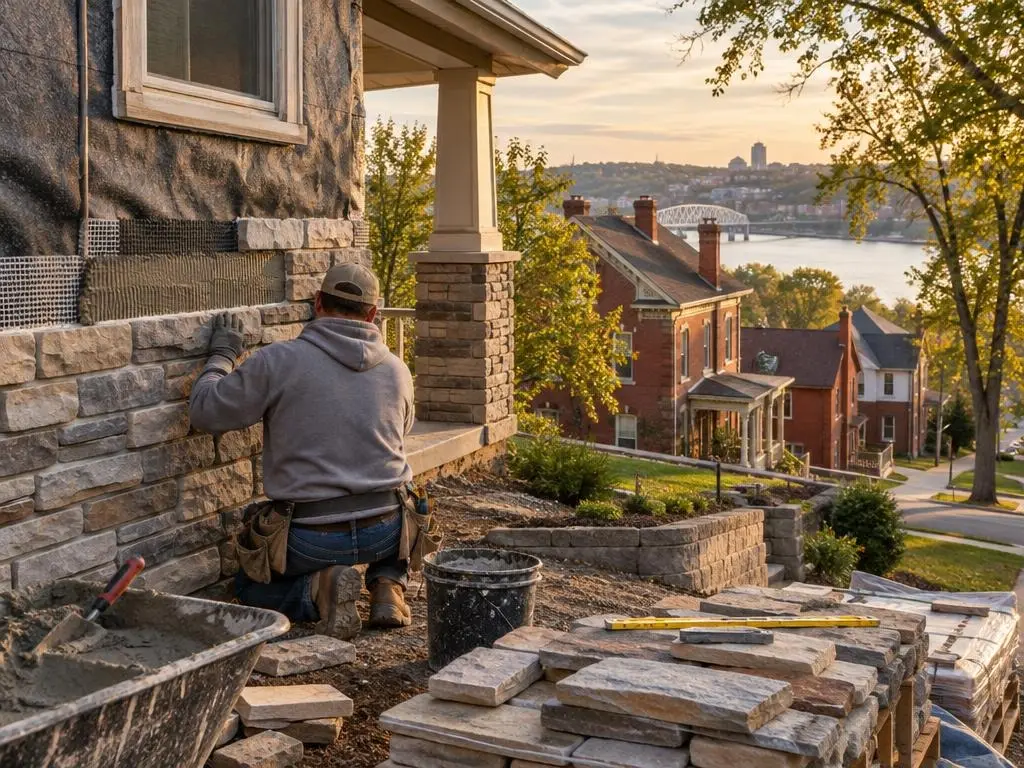
Typical Brick Repair & Tuckpointing Costs
| Item | Published range |
|---|---|
| Repointing, per sq ft | $3 to $15 |
| Tuckpointing, per sq ft | $5 to $25 |
| 100 sq ft section | $400 to $2,500 |
| Replacing bricks, per sq ft | $10 to $30 |
| Brick veneer repair, per sq ft | $11 to $24 |
| Minor wall crack repair | $250 to $800 |
| Whole house, about 2,000 sq ft of brick (tuckpointing) | $10,000 to $50,000 |
Figures from HomeAdvisor's repointing/tuckpointing and brick wall repair cost guides (national averages). Height, access, mortar type and how much brick needs replacing change the total. Your written estimate is the price.
How It Works
1. Look and test
We check joint depth, brick hardness and where water is getting in.
2. Written quote
Square footage of repointing, number of bricks and any flashing or drainage work.
3. Rake and repoint
Old mortar out, joints cleaned and dampened, new mortar packed and tooled.
4. Cure and clean up
Mortar kept damp to cure slowly, smears cleaned, debris hauled away.
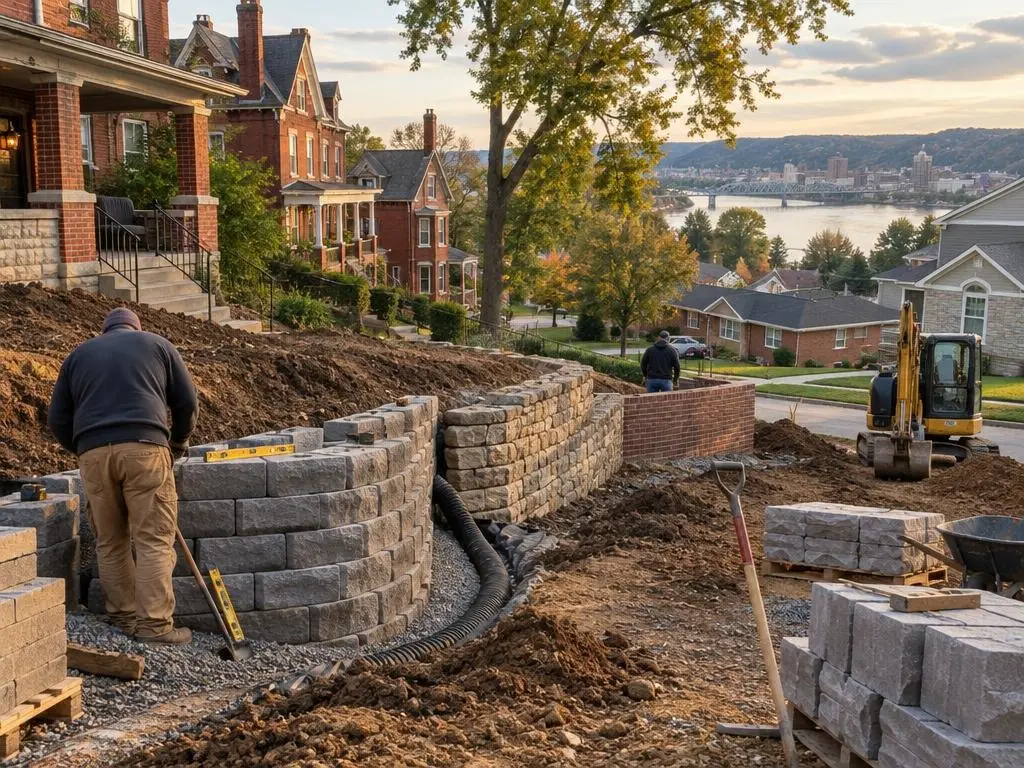
Why Choose Us for Brick Repair & Tuckpointing
Soft mortar for soft brick
Lime-rich mixes on pre-war walls so the joint gives before the brick does.
Joints matched
Color, sand and joint shape matched so repairs blend in.
Brick Repair & Tuckpointing Questions
How often does brick need tuckpointing?
HomeAdvisor says brick walls and chimneys typically need repointing every 20 to 30 years. Walls that get the most rain, like the top of a chimney or a wall under a leaking gutter, usually go first.
Can I repoint just part of the wall?
Yes. Louisville's Landmarks guidelines actually recommend repointing only the joints that are no longer sound. We match the new mortar so the patched area blends with the rest.
What does masonry repair in Louisville, KY usually cost?
HomeAdvisor's guide puts repointing at $400 to $2,500 per 100-square-foot section, depending on mortar type, height and condition. Brick replacement runs extra. We measure and price your wall in writing.
Should I paint or seal my brick?
Paint traps moisture in brick and is hard to remove. The Louisville Landmarks guidelines say not to paint masonry that has never been painted. Fixing open joints and water sources usually does more than any coating.
Why is my brick flaking?
Flaking, or spalling, happens when water inside the brick freezes and pushes the face off. Hard mortar, sandblasting in the past, and constant wetting from gutters or soil make it worse. We replace the damaged bricks and fix where the water comes from.
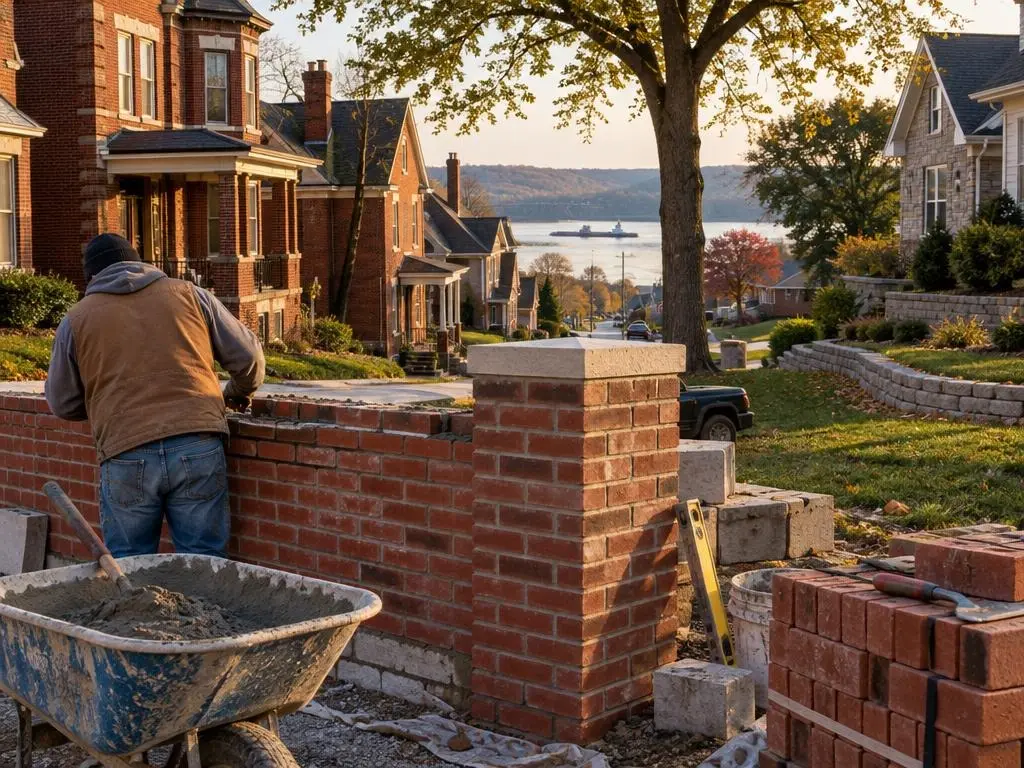
Brick Repair & Tuckpointing Service Areas
- Masonry Contractors in Louisville, KY
- Masonry Contractors in Jeffersonville, IN
- Masonry Contractors in New Albany, IN
- Masonry Contractors in Jeffersontown, KY
- Masonry Contractors in Clarksville, IN
- Masonry Contractors in Mount Washington, KY
- Masonry Contractors in St. Matthews, KY
- Masonry Contractors in Shively, KY
- Masonry Contractors in Shepherdsville, KY
- Masonry Contractors in Lyndon, KY
- Masonry Contractors in La Grange, KY
- Masonry Contractors in Middletown, KY
- Masonry Contractors in Hillview, KY
- Masonry Contractors in Crestwood, KY
- Masonry Contractors in Prospect, KY
- Masonry Contractors in Anchorage, KY
- Masonry Contractors in Pewee Valley, KY
- Masonry Contractors in Old Louisville, KY
- Masonry Contractors in Cherokee Triangle, KY
- Masonry Contractors in Crescent Hill, KY
- Masonry Contractors in Butchertown, KY
- Masonry Contractors in Okolona, KY
- Masonry Contractors in Fern Creek, KY
- Masonry Contractors in Valley Station, KY
- Masonry Contractors in Pleasure Ridge Park, KY
Get a Brick Repair & Tuckpointing Estimate
We look at your brick and mortar and price the repair in writing, anywhere in Louisville.